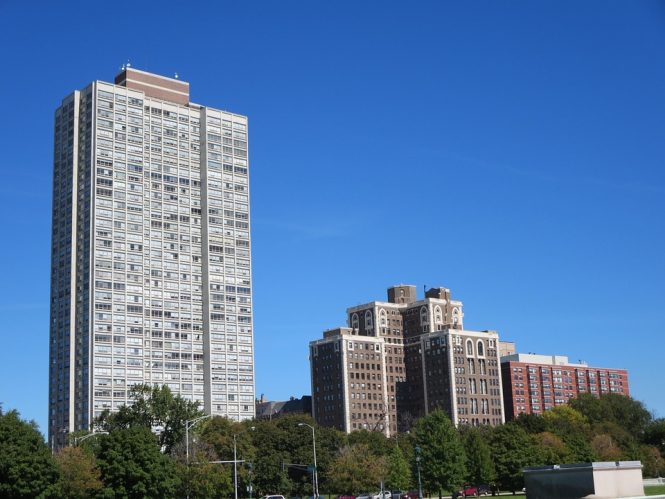
Landlord Liability: Navigating the Risks and Responsibilities of Commercial Property Ownership
As a commercial property owner, being a landlord can be a lucrative venture, but it also comes with a myriad of risks and responsibilities. Landlord liability is a critical aspect of commercial property ownership, and understanding the potential risks and taking steps to mitigate them can help protect your assets and reputation. In this article, we will delve into the world of landlord liability, exploring the key risks and responsibilities associated with commercial property ownership.
Types of Landlord Liability
There are several types of landlord liability that commercial property owners should be aware of, including:
- Premises Liability: This type of liability arises when a tenant or visitor is injured on the property due to a hazardous condition or the landlord’s failure to maintain the property.
- Negligent Repair: If a landlord fails to properly repair or maintain the property, they may be liable for any injuries or damages that result.
- Security Liability: Landlords have a duty to provide a safe and secure environment for their tenants, and failure to do so can result in liability for any crimes or injuries that occur on the property.
- Environmental Liability: Commercial property owners may be liable for environmental hazards such as asbestos, lead paint, or contaminated soil.
- Contractual Liability: Landlords may be liable for breaches of contract, including lease agreements and other contractual obligations.
Risks Associated with Landlord Liability
The risks associated with landlord liability are numerous and can have significant financial and reputational consequences. Some of the most common risks include:
- Lawsuits: Tenants or visitors may sue landlords for injuries or damages sustained on the property.
- Financial Losses: Landlords may be liable for damages, medical expenses, and other costs associated with injuries or property damage.
- Reputational Damage: A history of landlord liability issues can damage a commercial property owner’s reputation and make it harder to attract tenants.
- Insurance Costs: Landlords may face increased insurance costs or even have their policies canceled if they have a history of liability claims.
Mitigating Landlord Liability Risks
While landlord liability is an inherent risk of commercial property ownership, there are steps that landlords can take to mitigate these risks. Some of the most effective strategies include:
- Regular Property Inspections: Regular inspections can help identify and address potential hazards before they become major issues.
- Proper Maintenance: Keeping the property well-maintained can help prevent injuries and damages.
- Security Measures: Implementing security measures such as cameras, alarms, and on-site personnel can help prevent crimes and reduce liability.
- Contract Review: Carefully reviewing lease agreements and other contracts can help ensure that landlords are not assuming unnecessary liability.
- Insurance Coverage: Having adequate insurance coverage can help protect landlords against financial losses in the event of a liability claim.
Best Practices for Commercial Property Owners
To navigate the risks and responsibilities of commercial property ownership, landlords should follow these best practices:
- Stay Informed: Stay up-to-date on local laws and regulations regarding landlord liability.
- Conduct Regular Risk Assessments: Regularly assess the property for potential hazards and take steps to address them.
- Develop a Comprehensive Maintenance Plan: Develop a plan for maintaining the property, including regular inspections and repairs.
- Screen Tenants: Carefully screen tenants to ensure that they are reputable and responsible.
- Review and Update Contracts: Regularly review and update lease agreements and other contracts to ensure that they are fair and do not assume unnecessary liability.
Conclusion
Landlord liability is a critical aspect of commercial property ownership, and understanding the potential risks and taking steps to mitigate them can help protect your assets and reputation. By following the best practices outlined in this article, commercial property owners can navigate the risks and responsibilities of landlord liability and ensure a successful and profitable investment. Remember, being a responsible and informed landlord is key to minimizing liability and maximizing returns on your commercial property investment.