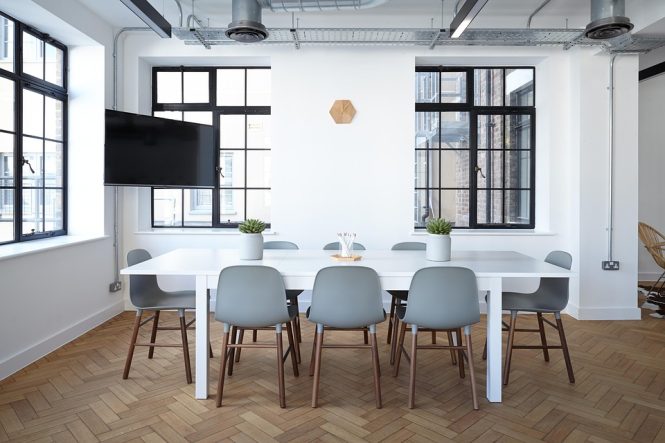
Biophilic Design: Bringing Nature into Your Office Space
In recent years, the concept of biophilic design has gained significant attention in the architectural and interior design communities. Biophilic design, which translates to “love of nature,” is an approach to designing buildings and spaces that incorporates elements of the natural world to promote occupant health, productivity, and well-being. This design philosophy is based on the idea that humans have an inherent affinity for nature and that being connected to it can have a profound impact on our physical and mental health.
The Benefits of Biophilic Design
Studies have shown that biophilic design can have a wide range of benefits, from improving air quality and reducing stress to boosting mood and increasing productivity. Some of the key benefits of biophilic design include:
- Improved air quality: Incorporating plants and natural materials into a space can help to purify the air and improve indoor air quality.
- Reduced stress: Exposure to natural elements has been shown to reduce stress levels and promote relaxation.
- Boosted mood: Being surrounded by natural elements can improve mood and reduce symptoms of anxiety and depression.
- Increased productivity: Biophilic design has been shown to improve cognitive function, including attention and memory, leading to increased productivity and better job performance.
Incorporating Biophilic Design into Your Office Space
So, how can you bring biophilic design into your office space? Here are some ideas to get you started:
- Add plants: Plants are one of the easiest and most effective ways to incorporate biophilic design into your office space. Choose low-maintenance plants like succulents or air plants that are easy to care for.
- Use natural materials: Incorporate natural materials like wood, stone, and bamboo into your office design. These materials can add warmth and texture to a space and create a sense of connection to nature.
- Incorporate natural light: Natural light is essential for biophilic design. Make the most of natural light by positioning desks and workstations near windows and using sheer curtains or blinds to filter the light.
- Create a living wall: A living wall, also known as a green wall, is a wall covered in plants and can be a stunning addition to any office space. Living walls can help to purify the air, reduce noise pollution, and create a sense of calm.
- Use nature-inspired colors: Use a color palette inspired by nature, with shades of green, blue, and earth tones, to create a sense of calm and connection to the outdoors.
Examples of Biophilic Design in Office Spaces
Some companies are already embracing biophilic design in their office spaces, with impressive results. For example:
- Amazon’s Spheres: Amazon’s headquarters in Seattle features a stunning example of biophilic design, with a rainforest-style conservatory that houses over 40,000 plants.
- Google’s Chicago Office: Google’s Chicago office features a green roof, a living wall, and plenty of natural light, creating a space that is both productive and relaxing.
- The Bullitt Center: The Bullitt Center in Seattle is one of the greenest commercial buildings in the world, featuring a rooftop garden, a green wall, and plenty of natural light.
Conclusion
Biophilic design is a powerful tool for creating office spaces that promote occupant health, productivity, and well-being. By incorporating elements of the natural world into your office design, you can create a space that is both beautiful and functional. Whether you’re designing a new office space or renovating an existing one, biophilic design is definitely worth considering. So why not bring a little bit of nature into your office space and see the benefits for yourself?