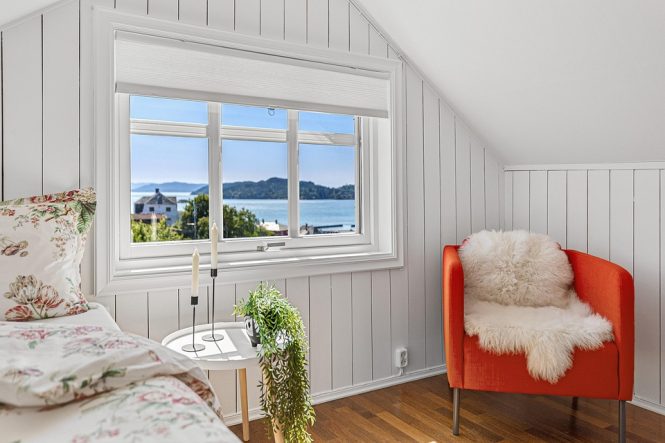
As we navigate the complexities of 2025, the world of real estate is witnessing a seismic shift in housing trends. For decades, the allure of city living has been a dominant force, with urban centers drawing in young professionals, families, and empty nesters alike. However, a surprising reversal is underway: many are now fleeing the city in favor of the suburbs. This trend, driven by a combination of factors, is redefining the way we think about housing, community, and the very notion of “home.”
The Rise of the Suburbs: A Shift in Preferences
In 2025, the suburbs are experiencing a renaissance of sorts. Once perceived as dull and lacking in amenities, these outlying areas are now being rediscovered as vibrant, desirable destinations. The reasons for this shift are multifaceted:
- Affordability: As city living becomes increasingly expensive, the suburbs offer a more affordable alternative. With lower housing costs, reduced taxes, and more spacious living arrangements, families and individuals are finding it easier to achieve their dream of homeownership.
- Quality of Life: The suburbs are no longer synonymous with monotony. Many suburban areas now boast an impressive array of amenities, including parks, community centers, and entertainment options. Residents can enjoy a more relaxed pace of life, free from the noise, pollution, and congestion that often accompany city living.
- Remote Work: The COVID-19 pandemic has accelerated the adoption of remote work, and this shift is likely to persist in 2025. With the need for a lengthy commute disappearing, people are free to choose where they live based on factors other than proximity to the office. The suburbs, with their quieter, more laid-back environments, are becoming an attractive option for those seeking a better work-life balance.
- Demographic Changes: The demographics of the suburbs are also evolving. Young families, once eager to settle in urban areas, are now opting for the suburbs, where they can find more space, better schools, and a sense of community. Empty nesters, too, are rediscovering the suburbs, seeking a more relaxed lifestyle and a chance to reconnect with nature.
The Impact on Cities: A New Era of Urban Planning
As the suburbs experience a resurgence, cities are facing a new set of challenges. With a decline in population, urban areas must adapt to changing demographics and shifting priorities. This presents an opportunity for cities to redefine themselves, focusing on:
- Sustainability: Cities can prioritize green initiatives, investing in renewable energy, reducing waste, and promoting eco-friendly transportation.
- Innovation Hubs: Urban centers can concentrate on developing innovation districts, fostering entrepreneurship, and creating vibrant, tech-driven ecosystems.
- Cultural Revitalization: Cities can revitalize their cultural scenes, investing in arts programs, public spaces, and community initiatives that celebrate diversity and creativity.
The Future of Housing: A Blend of Urban and Suburban
As we look to the future, it’s clear that the distinction between urban and suburban living will continue to blur. The ideal housing scenario in 2025 may not be a binary choice between city and suburbs, but rather a blend of the two. Developers and policymakers are already responding to this shift, creating:
- Mixed-Use Developments: Projects that combine residential, commercial, and recreational spaces, offering the best of both urban and suburban living.
- Smart Growth Initiatives: Strategies that prioritize walkability, bikeability, and public transportation, reducing the need for lengthy commutes and promoting a more sustainable lifestyle.
- Innovative Housing Solutions: New housing models, such as co-living spaces, community land trusts, and affordable housing initiatives, that address the needs of a diverse, evolving population.
In conclusion, the shift from cities to suburbs in 2025 marks a significant turning point in housing trends. As we navigate this new landscape, it’s essential to recognize the complexities and opportunities that arise from this change. By embracing the evolution of suburban living, while also revitalizing and reimagining our urban centers, we can create a more diverse, sustainable, and vibrant housing market that meets the needs of a changing world.