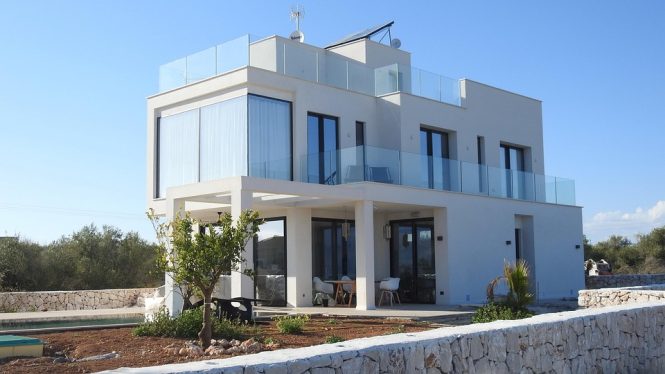
Commercial real estate has a significant impact on the environment, from energy consumption to waste management. As concerns about climate change and sustainability continue to grow, the industry is shifting towards more environmentally friendly practices, particularly in the realm of green building. In this article, we will explore the complexities of green building in commercial real estate and discuss the ways in which property owners, developers, and investors can navigate these challenges to create more sustainable and environmentally responsible buildings.
The Benefits of Green Building
Green building, also known as sustainable building, refers to the practice of designing, constructing, and operating buildings in a way that minimizes their environmental impact. The benefits of green building are numerous, including:
- Reduced energy consumption: Green buildings use energy-efficient systems and materials to reduce their energy consumption, which can lead to significant cost savings and a lower carbon footprint.
- Water conservation: Green buildings often feature water-efficient systems and technologies, such as rainwater harvesting and greywater reuse, to reduce their water consumption.
- Improved indoor air quality: Green buildings typically incorporate natural ventilation, air filtration systems, and non-toxic materials to create a healthier indoor environment.
- Increased property value: Green buildings can command higher rental rates and property values due to their desirable features and reputation for sustainability.
- Enhanced brand reputation: Companies that occupy green buildings can benefit from an enhanced reputation and increased customer loyalty.
Challenges and Complexities
While the benefits of green building are clear, the process of designing, constructing, and operating sustainable buildings can be complex and challenging. Some of the key challenges and complexities include:
- Higher upfront costs: Green building materials and systems can be more expensive than traditional materials, which can make it difficult to justify the additional cost.
- Lack of standardization: There is currently no universal standard for green building, which can make it difficult to compare and contrast different buildings and projects.
- Complexity of certification programs: Certification programs, such as LEED and Energy Star, can be complex and time-consuming to navigate, particularly for smaller projects or those with limited resources.
- Balancing sustainability with profitability: Property owners and developers must balance their desire to create sustainable buildings with the need to generate profits and maintain a competitive edge in the market.
Strategies for Navigating the Complexities of Green Building
To overcome the challenges and complexities of green building, property owners, developers, and investors can employ several strategies, including:
- Conducting thorough cost-benefit analyses: Carefully evaluating the costs and benefits of green building materials and systems can help to justify the additional upfront expense.
- Seeking out incentives and financing options: Governments and organizations offer a range of incentives and financing options to support green building projects, such as tax credits, grants, and low-interest loans.
- Collaborating with experienced professionals: Working with architects, engineers, and contractors who have experience with green building can help to ensure that projects are designed and constructed to meet sustainability goals.
- Focusing on incremental improvements: Rather than trying to achieve a high level of sustainability all at once, property owners and developers can focus on making incremental improvements to their buildings over time.
- Educating tenants and occupants: Educating tenants and occupants about the benefits of green building and the ways in which they can contribute to sustainability efforts can help to increase engagement and participation.
Emerging Trends and Technologies
The commercial real estate industry is continually evolving, with new trends and technologies emerging all the time. Some of the most significant emerging trends and technologies include:
- Net-zero energy buildings: Net-zero energy buildings are designed to produce as much energy as they consume, typically through the use of on-site renewable energy systems.
- Building information modeling (BIM): BIM is a digital tool that allows architects, engineers, and contractors to design, construct, and operate buildings in a more efficient and sustainable way.
- Smart buildings: Smart buildings incorporate advanced technologies, such as sensors and automation systems, to optimize energy efficiency, water consumption, and waste management.
- Green roofs and walls: Green roofs and walls are becoming increasingly popular, as they provide insulation, reduce stormwater runoff, and create habitats for wildlife.
- Electric vehicle charging infrastructure: As the adoption of electric vehicles continues to grow, commercial property owners are installing electric vehicle charging infrastructure to support the needs of their tenants and customers.
Conclusion
Commercial real estate has a significant impact on the environment, and the industry is shifting towards more sustainable and environmentally responsible practices. While the benefits of green building are clear, the process of designing, constructing, and operating sustainable buildings can be complex and challenging. By understanding the challenges and complexities of green building and employing strategies to overcome them, property owners, developers, and investors can create more sustainable and environmentally responsible buildings that benefit both the environment and the bottom line. As the industry continues to evolve, emerging trends and technologies will play an increasingly important role in shaping the future of commercial real estate and the environment.


