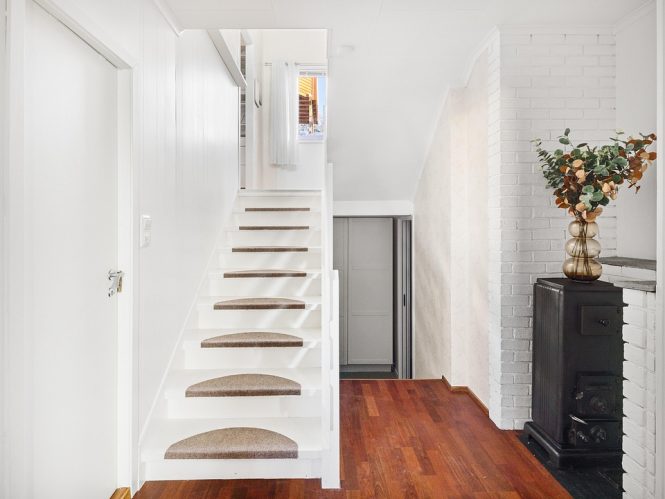
From Fixer-Upper to Profit Maker: How to Flip Houses for Big Returns
House flipping, the process of buying, renovating, and selling a property for a profit, has become a popular investment strategy in recent years. With the right approach, house flipping can generate significant returns, but it requires careful planning, execution, and a solid understanding of the real estate market. In this article, we’ll explore the ins and outs of house flipping, including the benefits, risks, and strategies for success.
Benefits of House Flipping
House flipping offers several benefits, including:
- Potential for high returns: Flipping houses can generate significant profits, often ranging from 10% to 50% or more of the purchase price.
- Flexibility: House flipping allows investors to work on a project-by-project basis, choosing when and where to invest their time and resources.
- Tax benefits: Investors may be able to deduct renovation expenses, property taxes, and other costs from their taxable income.
- Improving neighborhoods: By renovating and selling properties, house flippers can help revitalize neighborhoods and increase property values.
Risks of House Flipping
While house flipping can be lucrative, it’s essential to be aware of the potential risks, including:
- Market fluctuations: Changes in the real estate market can affect property values, making it difficult to sell a flipped house for a profit.
- Renovation costs: Unexpected expenses during the renovation process can eat into profits or even lead to financial losses.
- Financing challenges: Securing funding for a flip project can be difficult, especially for new investors.
- Time-consuming: House flipping requires significant time and effort, from finding properties to managing renovations and selling the final product.
Strategies for Successful House Flipping
To succeed in house flipping, follow these strategies:
- Research and analyze the market: Understand local real estate trends, including prices, rental yields, and demand for specific types of properties.
- Choose the right property: Look for properties with potential for renovation, a strong location, and a realistic purchase price.
- Develop a solid renovation plan: Create a detailed plan and budget for renovations, including a timeline and contingency fund.
- Secure financing: Explore financing options, such as hard money loans, private money loans, or partnerships, to fund your flip project.
- Manage renovations efficiently: Hire reliable contractors, oversee progress, and make adjustments as needed to stay on schedule and budget.
- Price and market the property effectively: Set a competitive sale price, stage the property, and use effective marketing strategies to attract potential buyers.
Step-by-Step Guide to Flipping a House
Here’s a step-by-step guide to get you started:
- Find a property: Search for properties that meet your criteria, using online listings, real estate agents, or networking with other investors.
- Inspect and analyze the property: Assess the property’s condition, identify potential renovation needs, and estimate costs.
- Make an offer: Submit an offer on the property, including contingencies for inspections and financing.
- Close the deal: Finalize the purchase, securing financing and transferring ownership.
- Renovate the property: Execute your renovation plan, overseeing progress and managing expenses.
- Stage and market the property: Prepare the property for sale, including cleaning, decorating, and advertising.
- Sell the property: List the property, negotiate with potential buyers, and close the sale.
Conclusion
House flipping can be a lucrative investment strategy, but it requires careful planning, execution, and a solid understanding of the real estate market. By researching and analyzing the market, choosing the right property, developing a solid renovation plan, and managing renovations efficiently, you can increase your chances of success and generate big returns. Remember to stay flexible, adapt to changing market conditions, and continually educate yourself on the latest trends and strategies in house flipping. With the right approach, you can turn a fixer-upper into a profit maker and achieve your investment goals.


