Selling in a Slow Market: Strategies for Getting Your Home Noticed
In a slow real estate market, selling a home can be a challenging and frustrating experience. With fewer buyers and more homes for sale, it’s essential to have a solid strategy in place to get your home noticed and attract potential buyers. In this article, we’ll explore effective strategies for selling your home in a slow market, from staging and marketing to pricing and negotiation.
Understand the Market
Before you start selling your home, it’s crucial to understand the current market conditions. Research the local real estate market, including the number of homes for sale, the average selling price, and the average time it takes to sell a home. This information will help you set realistic expectations and make informed decisions about pricing, marketing, and negotiation.
Stage Your Home
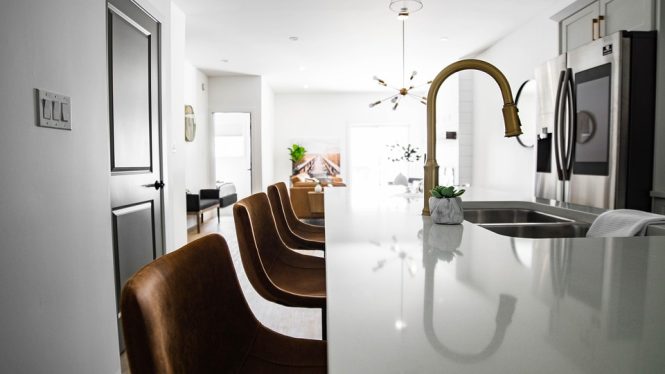
Staging your home is critical in a slow market. A well-staged home can make a significant difference in attracting potential buyers and standing out from the competition. Here are some tips for staging your home:
- Declutter and depersonalize: Remove any unnecessary items, including furniture, decorations, and personal belongings.
- Neutralize the color scheme: Use neutral colors to create a clean and inviting atmosphere.
- Highlight the best features: Draw attention to the home’s best features, such as natural light, hardwood floors, or a beautiful backyard.
- Create a welcoming atmosphere: Add plants, flowers, or other decorative elements to create a warm and inviting atmosphere.
Develop a Marketing Strategy
A effective marketing strategy is essential for getting your home noticed in a slow market. Here are some tips for developing a marketing strategy:
- Use high-quality photos: Hire a professional photographer to take high-quality photos of your home.
- Create a virtual tour: Create a virtual tour of your home to give potential buyers a better sense of the layout and features.
- Utilize social media: Use social media platforms to promote your home and reach a wider audience.
- Host open houses: Host open houses to attract potential buyers and give them an opportunity to see your home in person.
Price Your Home Competitively
Pricing your home competitively is critical in a slow market. If your home is overpriced, it will sit on the market for longer, and you may end up having to reduce the price. Here are some tips for pricing your home:
- Research the competition: Research similar homes in your area to determine a fair and competitive price.
- Consider the condition: Take into account the condition of your home, including any upgrades or repairs that have been made.
- Be flexible: Be prepared to negotiate and flexible with your pricing.
Negotiate Effectively
Negotiation is a critical part of the home-selling process, especially in a slow market. Here are some tips for negotiating effectively:
- Know your bottom line: Determine your minimum acceptable price and be prepared to walk away if the offer is not acceptable.
- Be open to creative financing: Consider creative financing options, such as owner financing or lease-to-own.
- Don’t be afraid to counteroffer: If you receive an offer that is not acceptable, don’t be afraid to counteroffer and negotiate.
Other Strategies for Getting Your Home Noticed
In addition to staging, marketing, pricing, and negotiation, here are some other strategies for getting your home noticed in a slow market:
- Offer incentives: Consider offering incentives, such as a home warranty or a credit towards closing costs, to attract potential buyers.
- Utilize technology: Utilize technology, such as 3D tours and virtual reality, to give potential buyers a better sense of your home.
- Partner with a real estate agent: Partner with a real estate agent who has experience selling homes in slow markets and can provide valuable guidance and support.
Conclusion
Selling a home in a slow market can be challenging, but with the right strategies in place, you can increase your chances of getting your home noticed and attracting potential buyers. By understanding the market, staging your home, developing a marketing strategy, pricing your home competitively, negotiating effectively, and utilizing other strategies, you can successfully sell your home in a slow market. Remember to stay flexible, be open to creative solutions, and partner with a real estate agent who can provide valuable guidance and support. With the right approach, you can sell your home quickly and for a good price, even in a slow market.


