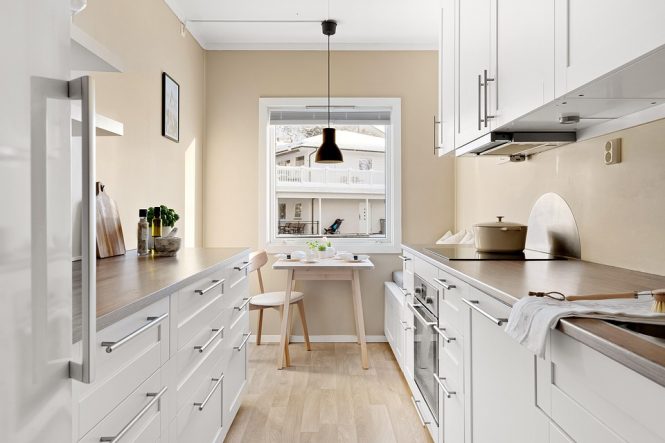
The future of real estate is undergoing a significant transformation, driven by changing consumer preferences and behaviors. The way people live, work, and interact with their living spaces is evolving, and the real estate industry must adapt to meet these new demands. In this article, we will explore the key trends shaping the future of real estate and what they mean for buyers, sellers, and investors.
Sustainability and Eco-Friendliness
One of the most significant shifts in consumer preferences is the growing demand for sustainable and eco-friendly living spaces. With increasing concerns about climate change, environmental degradation, and health, homebuyers are seeking properties that not only minimize their carbon footprint but also promote well-being. This trend is driving the development of green buildings, energy-efficient homes, and communities that incorporate natural spaces and eco-friendly features.
As a result, real estate developers are investing in sustainable materials, renewable energy systems, and innovative designs that reduce waste and promote energy efficiency. Homeowners are also looking for properties with green spaces, such as rooftop gardens, community gardens, and parks, which not only enhance the aesthetic appeal of a property but also provide a range of physical and mental health benefits.
Technology and Smart Homes
The rise of smart home technology is another key trend shaping the future of real estate. With the proliferation of the Internet of Things (IoT), homebuyers are expecting properties that are equipped with smart features, such as voice-controlled assistants, automated lighting and temperature systems, and advanced security systems. These technologies not only enhance the convenience and comfort of living spaces but also provide a range of benefits, including energy efficiency, cost savings, and improved safety.
Real estate developers are responding to this trend by incorporating smart home technology into new constructions and renovations. Homeowners are also investing in smart home devices and systems, which are becoming increasingly affordable and accessible. As a result, the demand for smart homes is expected to continue growing, driving innovation and investment in this sector.
Wellness and Healthy Living
The wellness and healthy living trend is also having a significant impact on the real estate industry. Homebuyers are seeking properties that promote physical and mental well-being, such as those with access to natural light, fresh air, and outdoor spaces. Developers are responding by creating communities that incorporate wellness-focused amenities, such as yoga studios, meditation rooms, and healthy food options.
This trend is also driving the development of healthy homes, which are designed to promote occupant health and well-being. These homes incorporate features such as air and water filtration systems, non-toxic materials, and advanced ventilation systems, which reduce the risk of indoor air pollution and other health hazards.
Urbanization and Mixed-Use Developments
The trend towards urbanization is continuing, with more people moving to cities in search of employment, education, and cultural opportunities. However, this trend is also driving the demand for mixed-use developments, which combine residential, commercial, and recreational spaces. These developments provide a range of benefits, including reduced commuting times, increased walkability, and enhanced community engagement.
Real estate developers are responding to this trend by creating mixed-use projects that incorporate a range of amenities, such as retail spaces, restaurants, and entertainment venues. These projects are also incorporating green spaces, public art, and community facilities, which enhance the quality of life for residents and visitors.
Affordability and Accessibility
The issue of affordability and accessibility is a major concern in the real estate industry, particularly in urban areas where housing prices are rising rapidly. Homebuyers are seeking affordable and accessible housing options, which are driving the development of innovative financing models, such as community land trusts and cooperative ownership.
Real estate developers are also responding to this trend by creating affordable housing projects, which incorporate a range of features, such as smaller unit sizes, shared amenities, and community facilities. Governments are also playing a critical role in addressing affordability and accessibility, through initiatives such as inclusionary zoning, rent control, and subsidies for low-income households.
Conclusion
The future of real estate is being shaped by a range of trends, including sustainability, technology, wellness, urbanization, and affordability. As consumer preferences and behaviors continue to evolve, the real estate industry must adapt to meet these new demands. By investing in sustainable and eco-friendly features, smart home technology, wellness-focused amenities, and affordable housing options, developers can create properties that meet the needs of modern homebuyers and drive long-term value and growth in the market.
Ultimately, the future of real estate will be driven by a combination of technological innovation, demographic changes, and shifting consumer preferences. As the industry continues to evolve, it is likely that we will see new and innovative solutions emerge, which will shape the way we live, work, and interact with our living spaces. Whether you are a buyer, seller, or investor, it is essential to stay informed about these trends and be prepared to adapt to the changing landscape of the real estate market.


