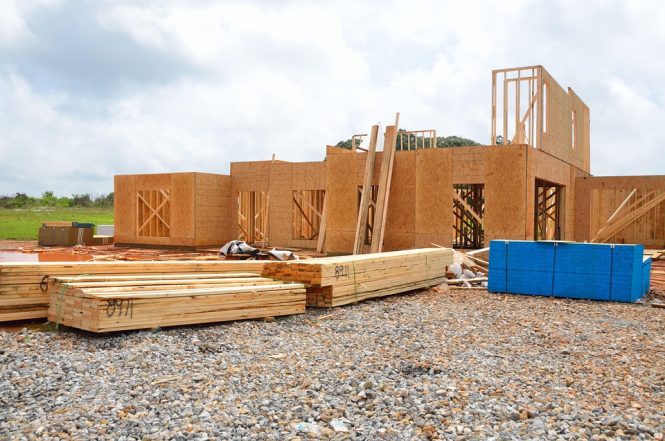
From Dirt to Dream Home: A Guide to Navigating Pre-Construction
Are you ready to turn your dream of owning a custom home into a reality? Pre-construction is an exciting phase of the home building process, but it can also be overwhelming, especially for first-time buyers. In this article, we will guide you through the pre-construction process, highlighting the key steps, benefits, and potential pitfalls to watch out for.
What is Pre-Construction?
Pre-construction refers to the period between the initial planning stages and the actual groundbreaking of your new home. During this phase, you will work closely with your builder, architect, and other stakeholders to bring your vision to life. This is the time to make crucial decisions about your home’s design, layout, and features, as well as to secure financing and permits.
Step 1: Planning and Design
The first step in pre-construction is to define your project’s scope, budget, and timeline. This involves:
- Determining your budget and financing options
- Selecting a building site or lot
- Choosing a builder or construction company
- Developing a preliminary design and floor plan
Work with your builder and architect to create a custom design that meets your needs and reflects your personal style. Consider factors like the number of bedrooms and bathrooms, square footage, and outdoor living spaces.
Step 2: Permitting and Approvals
Once you have a solid design concept, it’s time to obtain the necessary permits and approvals. This may include:
- Zoning and land-use permits
- Building permits
- Environmental permits (if applicable)
- Homeowners association (HOA) approvals (if applicable)
Your builder will typically handle the permitting process, but it’s essential to stay informed and ensure that all requirements are met.
Step 3: Financing and Budgeting
Pre-construction is also the time to finalize your financing arrangements. You may need to:
- Secure a construction loan or mortgage
- Establish a budget and payment schedule
- Consider additional costs, such as upgrades, inspections, and testing
Work with your lender and builder to create a comprehensive budget and payment plan that aligns with your financial goals and constraints.
Benefits of Pre-Construction
The pre-construction phase offers several benefits, including:
- Customization: Work with your builder to create a truly custom home that reflects your unique needs and preferences.
- Cost savings: Make informed decisions about materials, finishes, and features to stay within your budget.
- Increased efficiency: A well-planned pre-construction process can help prevent delays and costly changes during the construction phase.
Potential Pitfalls to Watch Out For
While pre-construction can be an exciting time, there are potential pitfalls to be aware of:
- Delays: Changes to the design or permitting process can cause delays, which may impact your move-in date and budget.
- Cost overruns: Inadequate budgeting or unforeseen expenses can lead to cost overruns, which may require additional financing or compromises on your design.
- Communication breakdowns: Poor communication between you, your builder, and other stakeholders can lead to misunderstandings, delays, or costly mistakes.
Tips for a Successful Pre-Construction Experience
To navigate the pre-construction process successfully, keep the following tips in mind:
- Communicate openly: Regularly schedule meetings with your builder, architect, and other stakeholders to ensure everyone is on the same page.
- Set clear expectations: Establish a shared understanding of your project’s scope, budget, and timeline to avoid misunderstandings.
- Stay flexible: Be prepared to make adjustments to your design or budget as needed, and prioritize your must-haves and nice-to-haves.
Conclusion
From dirt to dream home, the pre-construction process is a critical phase of building your custom home. By understanding the key steps, benefits, and potential pitfalls, you can navigate this process with confidence. Remember to communicate openly, set clear expectations, and stay flexible to ensure a successful pre-construction experience. With careful planning and collaboration, you’ll be well on your way to turning your dream into a reality.