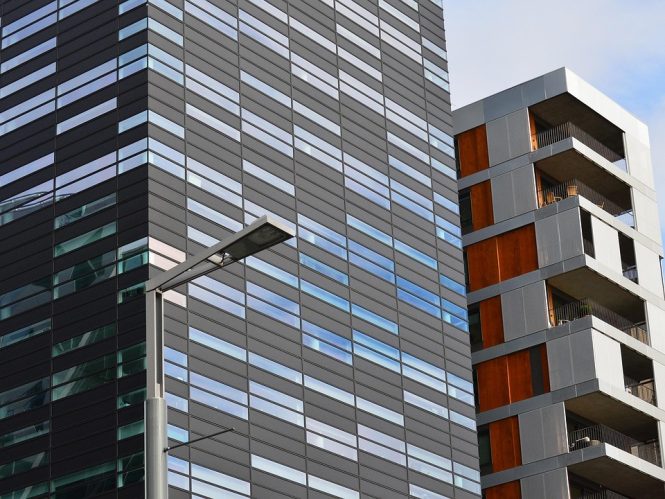
The modern workplace is undergoing a significant transformation, driven by the evolving needs and preferences of employees, employers, and the nature of work itself. Traditional office spaces, with their cubicles, long-term leases, and rigid structures, are no longer the only option. Innovative spaces, such as co-working and flexible office arrangements, are redefining the way we work, interact, and collaborate.
The Rise of Co-working Spaces
Co-working spaces have emerged as a popular alternative to traditional offices. These shared workspaces offer a flexible, community-driven environment where individuals from diverse backgrounds and industries can work, network, and thrive. Co-working spaces typically provide amenities such as high-speed internet, meeting rooms, cafes, and lounges, creating a comfortable and productive work environment.
The benefits of co-working spaces are numerous. They offer flexibility, with members able to choose from a variety of membership plans, including part-time, full-time, and drop-in options. This flexibility is particularly appealing to freelancers, remote workers, and entrepreneurs who require a professional workspace without the long-term commitment. Co-working spaces also foster a sense of community, with members often collaborating on projects, sharing knowledge, and supporting one another.
Flexible Office Arrangements
Flexible office arrangements are another innovative solution that is gaining traction. These arrangements, such as serviced offices, executive suites, and virtual offices, offer businesses the ability to scale up or down as needed, without being tied to a traditional lease. Flexible office arrangements provide access to fully equipped offices, meeting rooms, and administrative support, allowing businesses to focus on their core activities.
Flexible office arrangements are ideal for businesses that require a professional workspace but do not need a full-time office. They are also suitable for companies that are expanding or contracting, as they can easily adjust their space requirements without being penalized. Additionally, flexible office arrangements often provide access to a network of offices, allowing businesses to establish a presence in multiple locations without the need for multiple leases.
Key Features of Innovative Spaces
Innovative spaces, such as co-working and flexible office arrangements, share several key features that distinguish them from traditional offices. These features include:
- Flexibility: Innovative spaces offer flexible membership plans, lease terms, and workspace arrangements, allowing individuals and businesses to adapt to changing needs.
- Community: Co-working spaces and flexible office arrangements often foster a sense of community, with members and tenants interacting, collaborating, and supporting one another.
- Amenities: Innovative spaces typically provide a range of amenities, including high-speed internet, meeting rooms, cafes, and lounges, creating a comfortable and productive work environment.
- Technology: Innovative spaces often incorporate cutting-edge technology, such as virtual reality, artificial intelligence, and data analytics, to enhance the work experience and facilitate collaboration.
- Sustainability: Many innovative spaces prioritize sustainability, incorporating green building materials, energy-efficient systems, and waste reduction strategies to minimize their environmental footprint.
The Impact of Innovative Spaces
The impact of innovative spaces on the modern workplace is significant. They are:
- Changing the way we work: Innovative spaces are enabling new work patterns, such as remote work, flexible hours, and collaboration, which are improving work-life balance, productivity, and job satisfaction.
- Fostering innovation: Co-working spaces and flexible office arrangements are bringing together individuals and businesses from diverse backgrounds, facilitating the exchange of ideas, and driving innovation.
- Supporting entrepreneurship: Innovative spaces are providing entrepreneurs and small businesses with access to resources, networks, and expertise, helping them to launch and grow their ventures.
- Redefining the concept of office space: Innovative spaces are challenging traditional notions of office space, prioritizing flexibility, community, and sustainability over rigid structures and long-term leases.
Conclusion
Innovative spaces, such as co-working and flexible office arrangements, are revolutionizing the modern workplace. By offering flexibility, community, amenities, technology, and sustainability, these spaces are redefining the way we work, interact, and collaborate. As the nature of work continues to evolve, it is likely that innovative spaces will play an increasingly important role in shaping the future of the workplace. By embracing these new models, businesses and individuals can improve their productivity, creativity, and overall well-being, while also contributing to a more sustainable and connected work environment.