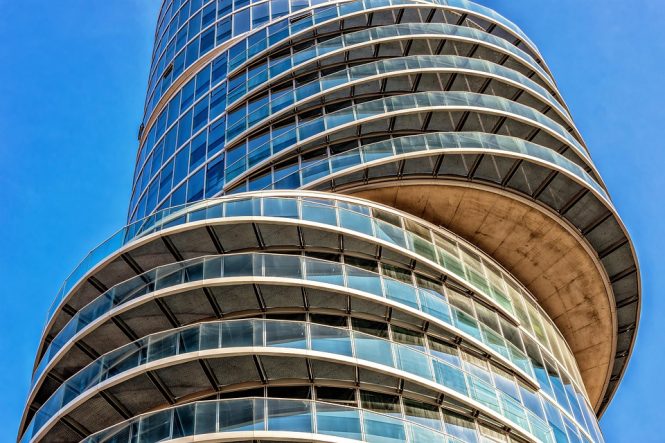
The world of commercial real estate is undergoing a significant transformation, driven in large part by the evolving needs of tech giants. As these companies continue to grow and expand, they are redefining the way office spaces are designed, utilized, and interacted with. In this article, we’ll explore the office space overhaul and how tech giants are revolutionizing commercial real estate.
The Shift Towards Flexibility and Collaboration
Tech giants like Google, Amazon, and Facebook are at the forefront of this revolution. They are seeking out office spaces that are flexible, collaborative, and conducive to innovation. Gone are the days of traditional cubicles and segmented workspaces. Instead, these companies are opting for open-concept layouts, communal areas, and adaptable workspaces that foster creativity and teamwork.
For example, Google’s headquarters in Mountain View, California, features a unique office design that includes indoor parks, game rooms, and flexible workspaces. This approach has become a benchmark for other companies, and commercial real estate developers are taking notice. They are now incorporating similar design elements into their buildings, such as shared amenities, green spaces, and collaborative work areas.
The Rise of Co-Working and Shared Office Spaces
Another significant trend in commercial real estate is the proliferation of co-working and shared office spaces. Companies like WeWork, Regus, and Spaces are offering flexible, membership-based models that provide businesses with access to shared amenities, networking opportunities, and community events.
Tech giants are also embracing this trend, with many opting for co-working spaces over traditional leased offices. This approach allows them to scale up or down quickly, reduce overhead costs, and tap into a network of like-minded entrepreneurs and innovators.
The Impact of Technology on Office Design
Technology is playing a major role in the office space overhaul, enabling companies to create more efficient, sustainable, and connected work environments. For instance, smart building technologies are being integrated into office designs, allowing for real-time monitoring and optimization of energy usage, HVAC systems, and security protocols.
Additionally, the proliferation of remote work and virtual collaboration tools is changing the way companies think about office space. With more employees working remotely, companies are reevaluating their need for large, traditional office spaces. Instead, they are opting for smaller, more agile workspaces that are designed to facilitate in-person collaboration and innovation.
The Future of Commercial Real Estate
As tech giants continue to drive innovation in the commercial real estate sector, we can expect to see even more significant changes in the years to come. Some potential trends on the horizon include:
- Increased focus on sustainability and energy efficiency, with companies prioritizing green building practices and reduced carbon footprints.
- Growing demand for experiential office spaces, with companies incorporating amenities like fitness centers, rooftop gardens, and art installations into their designs.
- Expanded use of technology to enhance the workplace experience, including AI-powered building management systems, virtual reality training tools, and data-driven insights to optimize office operations.
Conclusion
The office space overhaul is a seismic shift in the commercial real estate landscape, driven by the evolving needs of tech giants. As these companies continue to push the boundaries of innovation and collaboration, they are redefining the way office spaces are designed, utilized, and interacted with. With a focus on flexibility, sustainability, and technology, the future of commercial real estate is poised to be more dynamic, efficient, and connected than ever before.