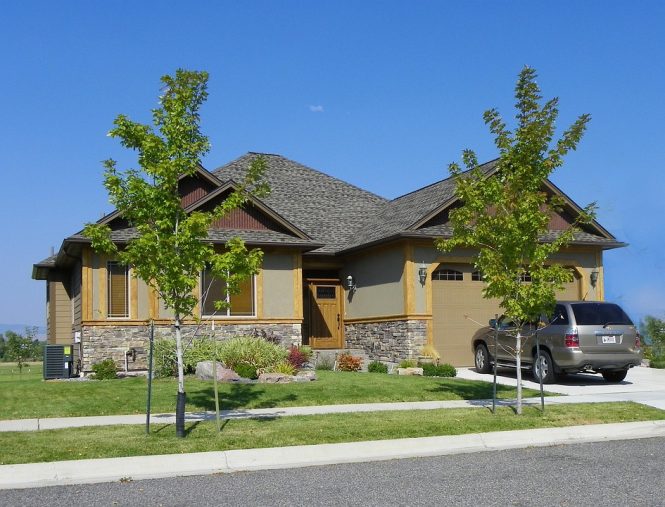
The Impact of Single-Family Homes on Local Communities: A Look at the Pros and Cons
Single-family homes have long been a staple of suburban living, offering residents a sense of privacy, space, and community. However, the impact of single-family homes on local communities is a complex issue, with both positive and negative consequences. In this article, we will explore the pros and cons of single-family homes on local communities, examining their effects on housing affordability, urban sprawl, community engagement, and environmental sustainability.
Pros:
- Sense of Community: Single-family homes often foster a sense of community, as residents are more likely to know and interact with their neighbors. This can lead to stronger social bonds, a greater sense of belonging, and increased community engagement.
- Private Space: Single-family homes provide residents with private outdoor spaces, such as backyards and front yards, which can be used for recreation, gardening, or relaxation.
- Customization: Single-family homes offer residents the ability to customize their living space to suit their individual needs and preferences.
- Family-Friendly: Single-family homes are often seen as ideal for families, providing a safe and stable environment for children to grow and play.
Cons:
- Housing Affordability: The construction and maintenance of single-family homes can be expensive, making them less accessible to low- and moderate-income families. This can lead to a lack of diversity and affordability in local communities.
- Urban Sprawl: The proliferation of single-family homes can contribute to urban sprawl, as cities expand outward to accommodate new developments. This can lead to increased traffic congestion, air pollution, and the loss of natural habitats.
- Resource Consumption: Single-family homes often require more resources, such as energy, water, and land, than other types of housing. This can contribute to environmental degradation and resource depletion.
- Isolation: While single-family homes can provide a sense of community, they can also contribute to social isolation, as residents may be less likely to interact with their neighbors or participate in community activities.
Environmental Impact:
Single-family homes can have a significant environmental impact, particularly when it comes to energy consumption and resource usage. According to the United States Environmental Protection Agency (EPA), the residential sector accounts for approximately 20% of the country’s total energy consumption. Additionally, the construction of single-family homes can lead to the destruction of natural habitats and the loss of biodiversity.
Solutions and Alternatives:
To mitigate the negative impacts of single-family homes, local communities can explore alternative housing options, such as:
- Multi-Family Housing: Multi-family housing, such as apartments and townhouses, can provide more affordable and sustainable housing options, while also promoting community engagement and social interaction.
- Infill Development: Infill development, which involves building on vacant or underutilized lots within existing neighborhoods, can help to reduce urban sprawl and promote more efficient use of resources.
- Sustainable Building Practices: Implementing sustainable building practices, such as energy-efficient design and green building materials, can help to reduce the environmental impact of single-family homes.
- Community Land Trusts: Community land trusts, which involve community-owned land and affordable housing options, can help to promote affordability and community engagement, while also preserving natural habitats and promoting sustainable development.
Conclusion:
The impact of single-family homes on local communities is complex and multifaceted, with both positive and negative consequences. While single-family homes can provide a sense of community, private space, and customization, they can also contribute to housing affordability issues, urban sprawl, and environmental degradation. To create more sustainable and equitable communities, local governments and residents can explore alternative housing options, such as multi-family housing, infill development, and sustainable building practices. By prioritizing community engagement, affordability, and environmental sustainability, we can create healthier, more resilient communities for generations to come.