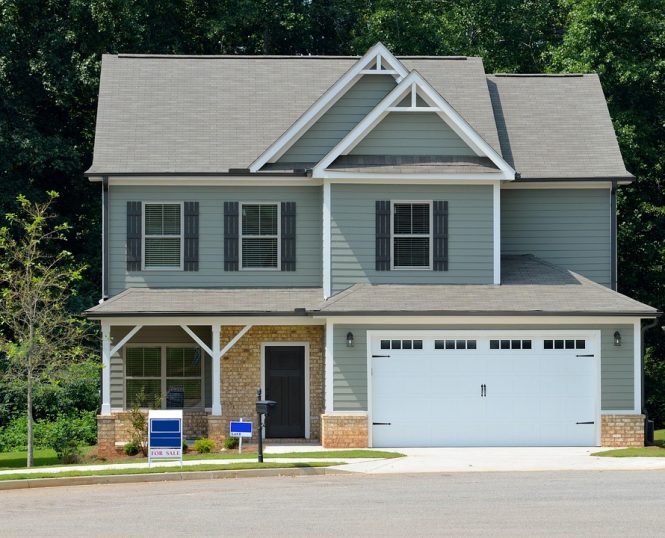
The Ultimate Guide to Buying a Single-Family Home: Tips and Tricks for Success
Buying a single-family home can be a daunting and overwhelming experience, especially for first-time buyers. With so many factors to consider, from location and budget to financing and inspections, it’s easy to feel lost in the process. However, with the right guidance and preparation, you can navigate the home buying journey with confidence and find your dream home. In this comprehensive guide, we’ll provide you with the tips and tricks you need to succeed in buying a single-family home.
Step 1: Determine Your Budget
Before starting your home search, it’s essential to determine how much you can afford to spend on a single-family home. Consider your income, savings, debts, and credit score to get an accurate picture of your financial situation. You’ll also need to factor in additional costs such as property taxes, insurance, and maintenance expenses. Use online mortgage calculators to get an estimate of your monthly mortgage payments and adjust your budget accordingly.
Step 2: Choose the Right Location
The location of your single-family home can greatly impact your quality of life and the value of your property. Consider factors such as:
- Proximity to work, schools, and public transportation
- Safety and crime rates in the area
- Availability of amenities such as parks, restaurants, and shopping centers
- Zoning laws and local regulations
- Natural environment and potential for natural disasters
Research different neighborhoods and communities to find the one that best fits your lifestyle and priorities.
Step 3: Get Pre-Approved for a Mortgage
Getting pre-approved for a mortgage can give you a competitive edge in the home buying process. It demonstrates to sellers that you’re serious about purchasing a home and can afford the asking price. To get pre-approved, you’ll need to provide financial documents such as pay stubs, bank statements, and tax returns to a lender. They’ll review your creditworthiness and provide you with a pre-approval letter stating the amount you’re eligible to borrow.
Step 4: Work with a Real Estate Agent
A reputable real estate agent can be a valuable resource in your home buying journey. They can provide you with expert knowledge of the local market, help you find properties that meet your criteria, and negotiate on your behalf. Look for an agent who is knowledgeable about the area, has experience working with buyers, and is responsive to your needs.
Step 5: Inspect and Evaluate Properties
Once you’ve found a property that interests you, it’s essential to inspect and evaluate it carefully. Consider factors such as:
- Condition and age of the property
- Number of bedrooms and bathrooms
- Square footage and layout
- Outdoor space and yard
- Natural light and ventilation
- Potential for renovation or expansion
Hire a professional home inspector to identify any potential issues or defects in the property. This can help you avoid costly surprises down the road and give you leverage to negotiate a better price.
Step 6: Make an Offer and Negotiate
When you’ve found the perfect property, it’s time to make an offer. Your real estate agent can help you determine a fair market price and draft a purchase agreement. Be prepared to negotiate, and consider including contingencies such as a home inspection or financing contingency to protect yourself.
Step 7: Close the Deal
The final step in the home buying process is closing the deal. This involves reviewing and signing the final documents, transferring ownership, and completing any necessary paperwork. Be sure to review the closing costs and ensure that you understand all the terms and conditions of the sale.
Additional Tips and Tricks
- Don’t skip the home inspection: A home inspection can help you identify potential issues and avoid costly surprises down the road.
- Consider working with a mortgage broker: A mortgage broker can help you find the best mortgage rates and terms for your situation.
- Research local schools and amenities: Even if you don’t have children, the quality of local schools and amenities can impact the value of your property.
- Don’t rush the process: Take your time and don’t feel pressured to make an offer on a property that doesn’t feel right.
- Stay organized: Keep track of your documents, deadlines, and correspondence to ensure a smooth and successful home buying experience.
Conclusion
Buying a single-family home can be a complex and overwhelming process, but with the right guidance and preparation, you can succeed. By following these steps and tips, you’ll be well on your way to finding your dream home and enjoying the benefits of homeownership. Remember to stay patient, persistent, and informed, and don’t hesitate to seek professional advice when needed. Happy home hunting!